The U.S. Consumer Product Safety Commission (CPSC) issued a direct final rule in December 2025, officially establishing ASTM F2194-25 as the mandatory federal safety standard for infant bassinets.
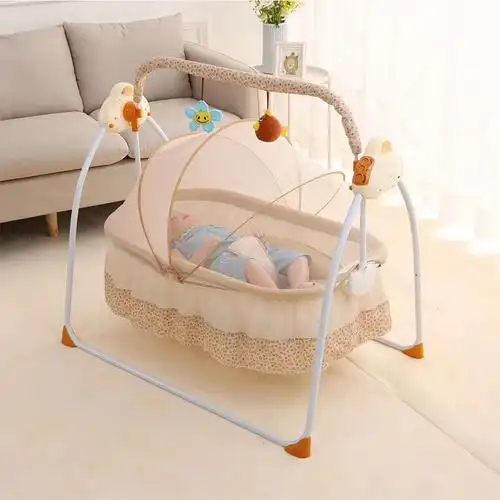
The safety standard has been effective since February 21, 2026.
This standard upgrade is not merely a change in version number, but a substantial tightening of product safety requirements. The following five core revisions directly determine whether a product can be marketed in compliance:
1. Definition and scope of application
Revise the scope of application to explicitly include bassinets/cribs (with a static inclination of ≤10°), bassinet mode of multi-purpose products, and bassinet accessories; exclude bed-in-a-bed portable sleep products, travel tents, and sleeping baskets on baby strollers where the angle between the occupant support surface and the horizontal plane is less than 10°, as well as their accessories.
· Expand the scope of application to include aftermarket mattresses. Correspondingly, supplement the definition of aftermarket mattresses and the performance requirements for them. Aftermarket mattresses should be tested with products of each claimed brand/model and meet relevant applicable requirements.
2. Structural safety of baby bassinets
All cradles must pass the test by choosing between the following two options:
· Option A: When tested according to standard methods, the side wall height should be ≥ 7.5 inches (191 mm), and the sagging deformation of the sleep support surface should be ≤ 1.5 inches (40 mm). (When the lowerable side wall of a bedside sleep product is lowered, it is not subject to the 7.5-inch side wall height limit.)
·Option B: The height of the uncompressed upper edge of the cradle above the ground is ≥16 inches.
3. Sleeping surface angle
·Head-to-foot direction (longitudinal) inclination: ≤10° in static state
·Inclination angle in the left-right direction (lateral): ≤7° in a stationary state
4. Electric/battery-powered products
Introduce electrical safety requirements and testing methods specifically for electric or battery-powered products.
5. Warning labels and instructions
Systematically update the requirements for warning labels and instructions for use, strengthen the requirements for warning statements and formats, and provide reference examples of warning phrases in combination with different product types.
Key impacts of new regulatory changes on businesses:
1. Product design: Strictly control the lateral and transverse inclination angles of the product; pay attention to the height of the product's side edges and control the deformation of the sleeping surface; for electrical products, ensure compliance with electrical requirements.
2. Supply chain: After-sales market mattresses need to be tested for compliance with products that claim to be compatible.
3. Compliance costs: Additional testing requirements have been added to the standards, leading to increased testing costs; labels and user manuals need to be redesigned.
4. Time of market entry: All bassinets/shakers entering the US market after February 21, 2026, must comply with the new regulations of 16 CFR 1218.